The first low-cost dosimeter with open-source hardware and software.
The problem
For radiation workers, dose monitoring from exposure to X-ray radiation is critical, making wearable dosimeters invaluable to ensure safe practices. While there is little data on the global availability of personal dosimeters, many workers experience limited or non-existent access. Traditional dosimeters can be prohibitively expensive, and require complicated logistics around calibration, read-out, and reporting - all leading to radiation workers having restricted insight into their own exposure levels.
Our solution
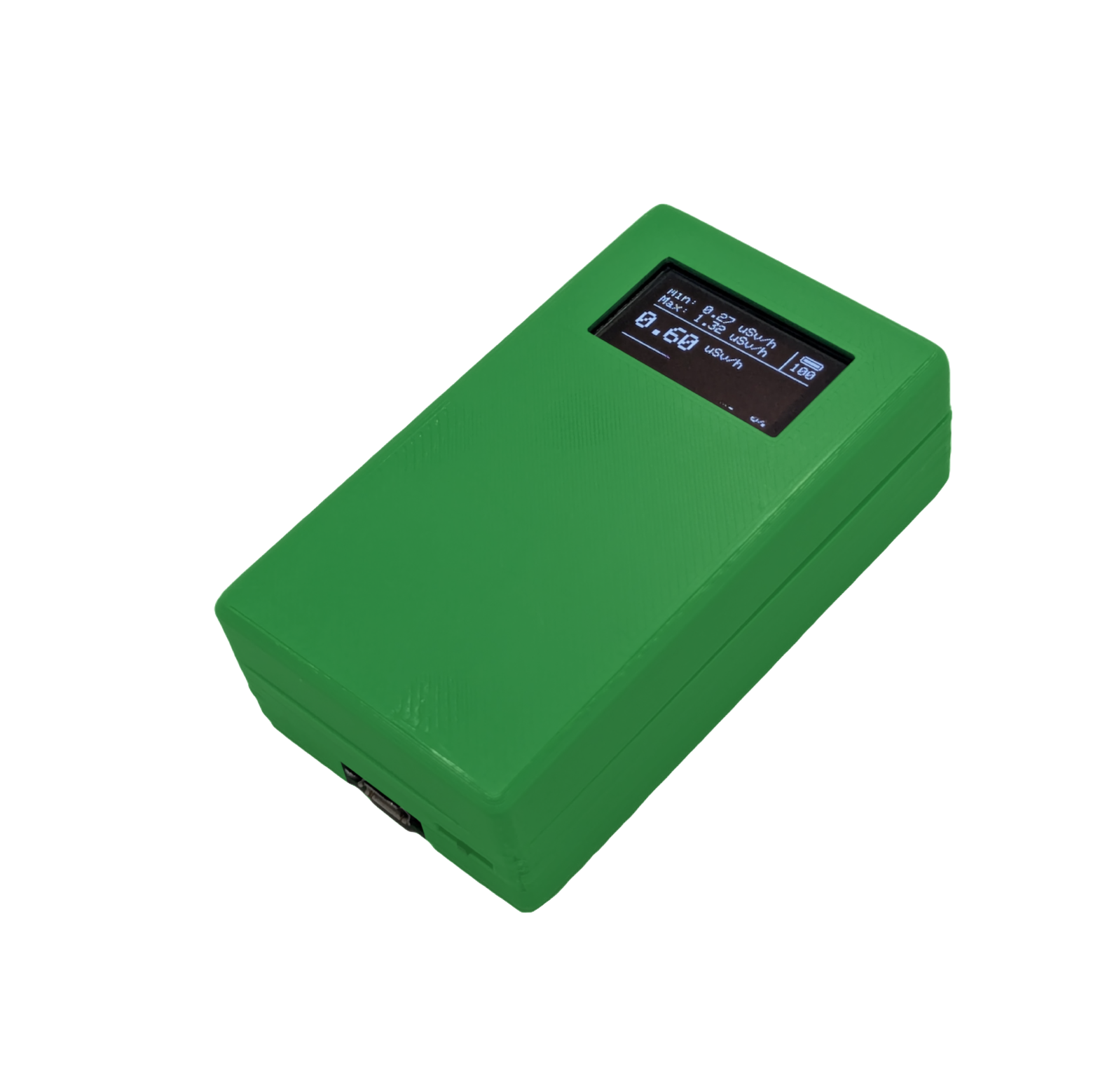
OpenDosimeter addresses these challenges with a low-cost, open-source, real-time dosimeter that is calibrated using Am-241 from a household ionization smoke detector. This eliminates the need to rely on external infrastructure for calibration and read-out. Lastly, the open design allows anyone to replicate and build their own personal dosimeter, empowering radiation workers to monitor their exposure more effectively with real-time feedback. The OpenDosimeter also acts as a reference design that invites people to make derivatives adapted to their needs.
Technical specifications
Open design: Hardware and software designs are fully open-source, enabling reproducibility and customization
Affordable: Total cost to build one is below $100
Compact: Small in size, measuring 73 mm x 42 mm x 23 mm with the case
Accurate: Current software version enables dose rate accuracy between around 0.1 µSv/h to 1 mSv/h (±25% accuracy), with an upcoming software upgrade enabling up to 50 mSv/h (in development)
Battery-powered: Up to 20 hours of battery life (<70 mA @ 3.7V, 1200 mAh LiPo battery)
Calibratable: Using Am-241 from any household ionization smoke detector for spectral/dose calibration
Real-time: Direct feedback on radiation exposure, compared to passive dosimeters (e.g., OSL or TLD badges) requiring external readout
Data logging: The last 10 hours of dose values are stored on the device; extracted through USB connection and our web-interface
here
Open-source documentation and build instructions!
Video tutorials on our YouTube channel.
@OpenDosimeter
Peer-reviewed technical paper
Funding
The story behind OpenDosimeter
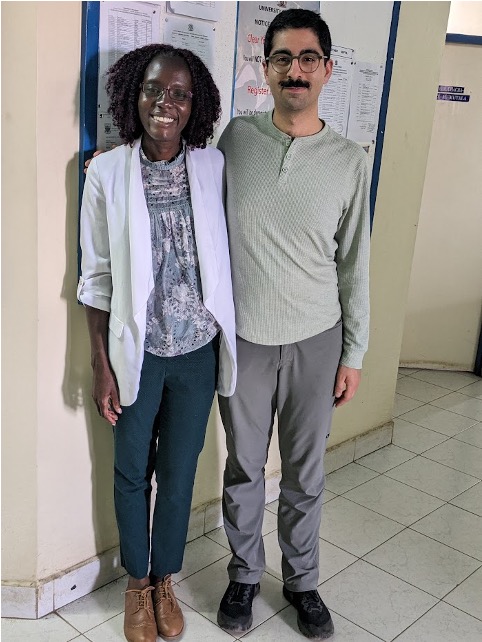
In February 2023, two strangers met in Nairobi: Kian, an X-ray imaging researcher, and Norah, a local radiologist. While Kian sought Norah's perspectives on the limitations of radiography, Norah pointed to a more pressing need: affordable radiation monitoring for her team. The seed for OpenDosimeter was planted: a mission to create an accessible, real-time radiation monitoring solution for healthcare workers globally.
In February 2023, two strangers met in Nairobi: Kian, an X-ray imaging researcher, and Norah, a local radiologist. While Kian sought Norah's perspectives on the limitations of radiography, Norah pointed to a more pressing need: affordable radiation monitoring for her team. The seed for OpenDosimeter was planted: a mission to create an accessible, real-time radiation monitoring solution for healthcare workers globally.
Contributors
These are the wonderful folks that have contributed to OpenDosimeter so far! Do you want to contribute to its future development? Head over to our GitHub repository or send us an e-mail: opendosimeter@gmail.com
Kian Shaker
Stanford University
Project lead
Hardware and software
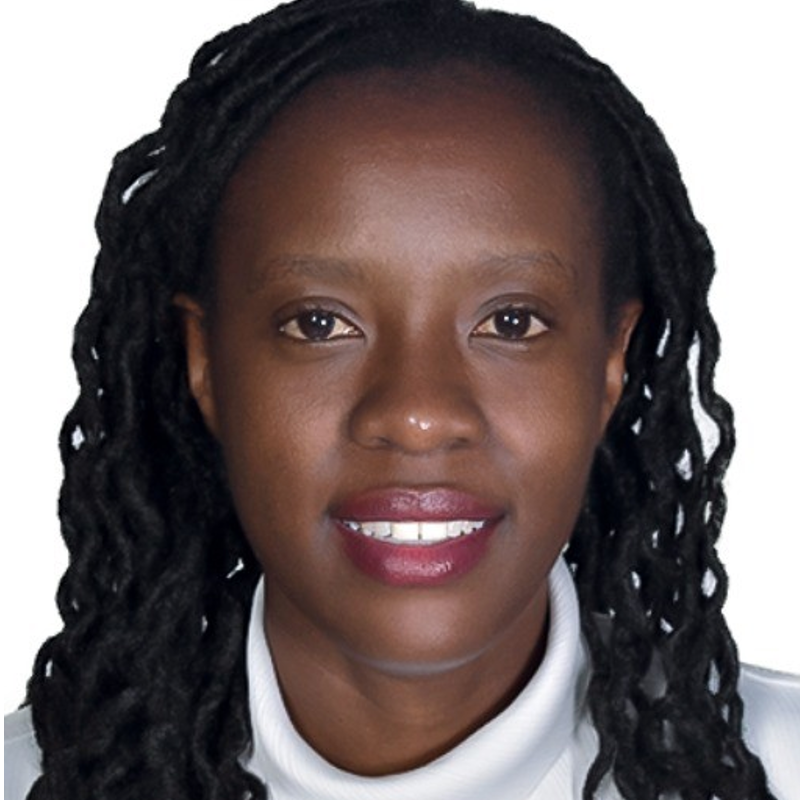
Norah Ger
Nairobi County
Functionality and user design
Alice Ku
Stanford University
Hardware and 3D design
Jasmyn Lopez
Stanford University
Open-source documentation
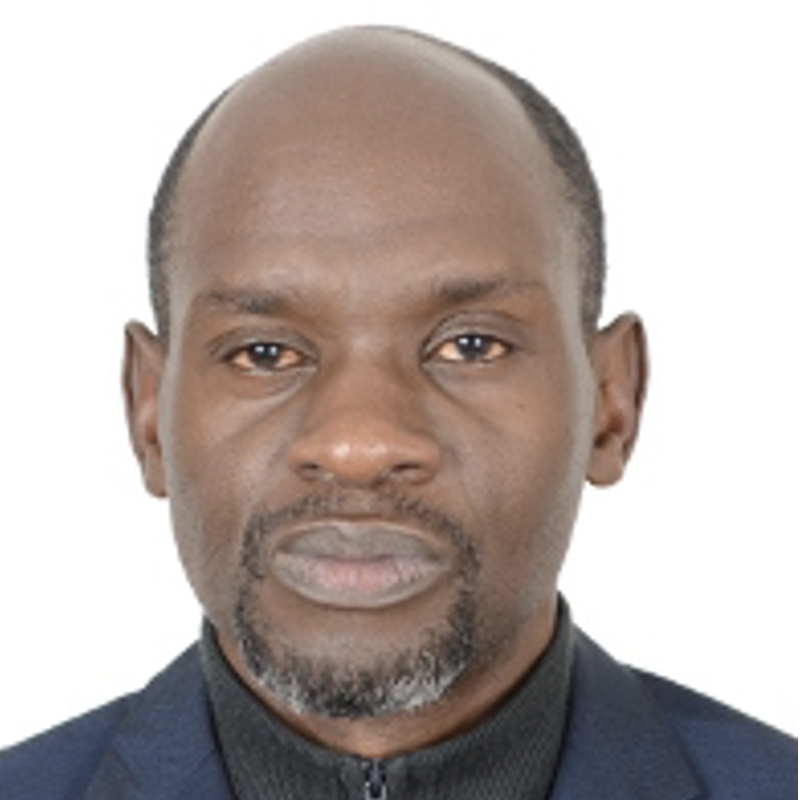
Enoch Anyenda
University of Nairobi
Functionality and design feedback
Grace Ateka
Kenya Bureau of Standards
Characterization and implementation
Jia Wang
Stanford University
Functionality and characterization
Robert Bennett
Stanford University
Hardware and characterization
Matthias Rosezky
Hardware and software
Adam Wang
Stanford University
Functionality and design
Pamella Kilavi
Strathmore University
Testing and implementation
Partners
These are the partners collaborating on the OpenDosimeter so far. Interested in partnering for implementation or scaling up? Send us an e-mail: opendosimeter@gmail.com
Radiological Sciences Laboratory Stanford University
Computing and Engineering Sciences Strathmore University
Secondary Standards Dosimetry Laboratory Kenyan Bureau of Standards
Get involved
Are you curious about OpenDosimeter and want to get involved? The more people who evaluate and implement the OpenDosimeter in their settings, the more impactful the project will be! Head over to our GitHub repository for more information
Did you build one?
We would love to see your device! Share your photos and progress with us: opendosimeter@gmail.com
Pilot workshop at Strathmore University
In August 2024, we ran a collaborative workshop at the Strathmore University makerspace in Nairobi, Kenya. Based on the open-source documentation and provided components, students built their own OpenDosimeters and gave critical feedback on the device and documentation. This is an example of capacity-building activities in radiation safety that is possible with the OpenDosimeter.